High Stakes, Higher Variance: A Real Talk Guide to iGaming
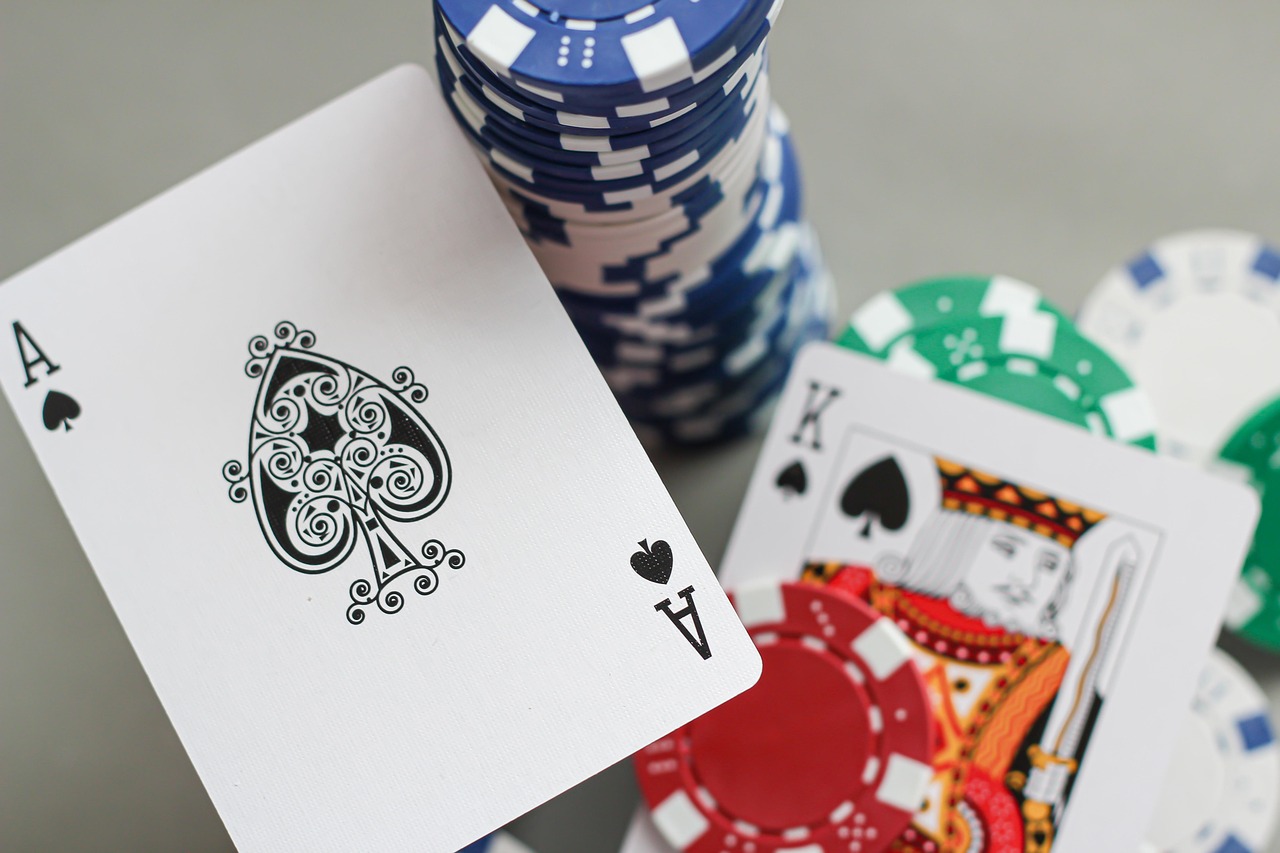
Every week, someone asks me some version of the same question: "Is online gambling actually beatable, or am I just burning money?" It's a fair question, and the honest answer is more interesting than the sales pitch you'll get from affiliate sites. Let me walk you through what I've learned from years of watching slots spin, poker tables run, and sportsbooks reshape their odds in real time. No hype, no fantasy—just the stuff that actually matters if you're going to take this seriously.
The Casino Floor Is Gone, and That Changed Everything
Walking into a physical casino used to be a commitment. You drove there, you dressed a certain way, you had a finite bankroll in your pocket. Online iGaming stripped all of that friction away, which is both the greatest feature and the biggest trap. Slot games run at hundreds of spins per hour if you let them. Sportsbooks settle bets in minutes. Poker tables run 24/7 across every timezone. A detailed guide is available at 789Win.
Take a few concrete examples. A land-based penny slot might give you 10 to 15 spins per minute with human-paced button presses. An online slot from a top provider like Push Gaming, Hacksaw, or Nolimit City can run 200+ spins per hour if you use autoplay or turbo mode. Multiply that by a house edge of 3% on a slot like a mid-volatility release and the math starts to grind you down fast. The game itself isn't rigged. The speed is what kills bankrolls.
There's a flip side, though. Online platforms offer transparency physical casinos rarely match. You can check the RTP of a slot directly in the help file—look for something like 96.2% and not the 94% versions some operators quietly push out in regulated markets. In poker, real-time hand histories and HUD tracking give you analytical tools a live player just doesn't have. Used well, online iGaming is simply a sharper version of the same game.
Slots: Understanding Volatility Beats Chasing Jackpots
The single biggest mistake newer slot players make is picking games based on the size of a jackpot screenshot they saw on social media. Those 50,000x wins on bonus buys or Megaways titles are real—but they're outliers, not expectations. What actually matters is volatility combined with RTP.
- Low volatility slots (like most Pragmatic Play classics—Wolf Gold, The Dog House) pay small amounts frequently. Good for stretching a session, bad for the dreamers.
- Medium volatility buffs session length with occasional 50x–200x hits. This is where most recreational players should live.
- High volatility (Nolimit City's San Quentin, Hacksaw's Wanted Dead or a Wild) can drain 500 spins before rewarding you with 1,000x. Expectation isn't the same as guarantee.
A useful habit: before you buy a bonus at a fixed price, check the advertised RTP of the buy itself. Most are 96%–97%, but some providers slip in 94% or even 90% on feature buys. That difference on a run of 100 buys is meaningful money. Some of the clearest guidance on this comes from 789 Win.
Poker Is Still the Only Game Where You Beat People, Not the House
Slots and sportsbook margins are baked in. Poker is different—the rake is your enemy, but your actual opponents are the real challenge and the real opportunity. If you're playing micro-stakes online, the competition pool is massive, but so is the pool of players who only learned from YouTube highlight reels.
What separates profitable micro-stakes regulars from break-even ones isn't some exotic GTO solver. It boils down to a handful of habits:
- Tracking every session in software like PokerTracker or Hold'em Manager—not for stats hero worship, but to spot loss leaks you can't see in the moment.
- Playing fewer tables. Recreational multitable regs usually bleed money on tables 5 and 6 without realizing it.
- Studying hand ranges rather than just results. A bad beat isn't a bug in your strategy; it's variance doing what variance does.
- Bankroll discipline—dedicating 50 buy-ins to cash games and never dipping into life money.
Rake at micro-stakes sits around 5% capped at $1 or $2, which is brutal. Moving up to $0.25/$0.50 or higher reduces rake pressure significantly, but only if your win rate actually justifies it. Ego is expensive in poker.
Sports Betting: Line Shopping Is Not Optional
If you're still using a single sportsbook because its app is pretty, you're paying a tax on every bet. The difference in odds across regulated books on the same outcome routinely lands at 3%–8%, and that's not just sharp money moving lines—it's lazy pricing by books that know their customers won't check.
Concrete example: A typical NBA moneyline might show −115 at one book and −105 at another. Over 200 bets, that spread alone is the difference between a winning and losing year. Don't bet tennis favorites above −250 unless you have a real edge; the break-even percentage gets ugly fast. Always compare at least three books before firing.
Bonuses and Their Fine Print—Read This Before You Opt In
Welcome bonuses are the most mis-sold part of iGaming. That "100% up to $500" headliner almost always comes with wagering requirements between 30x and 45x the bonus amount, plus game weighting that counts slots at 100% but poker at 5% or 0%. A $500 bonus with a 40x requirement means you need to wager $20,000 before any cashout. That's not generosity; it's engineered participation.
Before you claim anything, check these boxes:
- Wagering requirement multiplier and whether it's bonus-only or deposit + bonus
- Maximum cashout caps (some carry a 10x bonus limit that guts the advantage)
- Game contribution percentages
- Time limit to clear—anything under 14 days is tight for casual play
A $100 deposit with no bonus often gives you more freedom than a $500 matched bonus you'll never clear. Free spins are usually better value precisely because they're smaller and simpler.
Treat It as Entertainment With Guardrails
Here's the truth nobody on a glossy landing page will tell you: for the overwhelming majority of people, iGaming is entertainment, not income. The math works against you on almost every product—the house edge guarantees it over time. That doesn't mean you can't enjoy a session or even grind out side profit at poker if you take it seriously. It means you need to design your own rules and actually follow them.
Set a hard weekly loss limit before you open the app. Use your operator's deposit limits and session reminders—every licensed site has them, and they work. Take breaks that aren't optional. And be honest with yourself about which product you're actually playing: if it's slots, you're buying entertainment, full stop. If it's poker or sports betting with disciplined line shopping and bankroll management, you're running a small business with variance attached.
The iGaming world is genuinely more transparent and geographically accessible than it's ever been. That's a gift if you use it well and a trap if you don't. The difference isn't luck. It's the rules you set before the first spin.