The iGaming Edge: How Smart Players Approach Casino, Betting, Slots & Poker
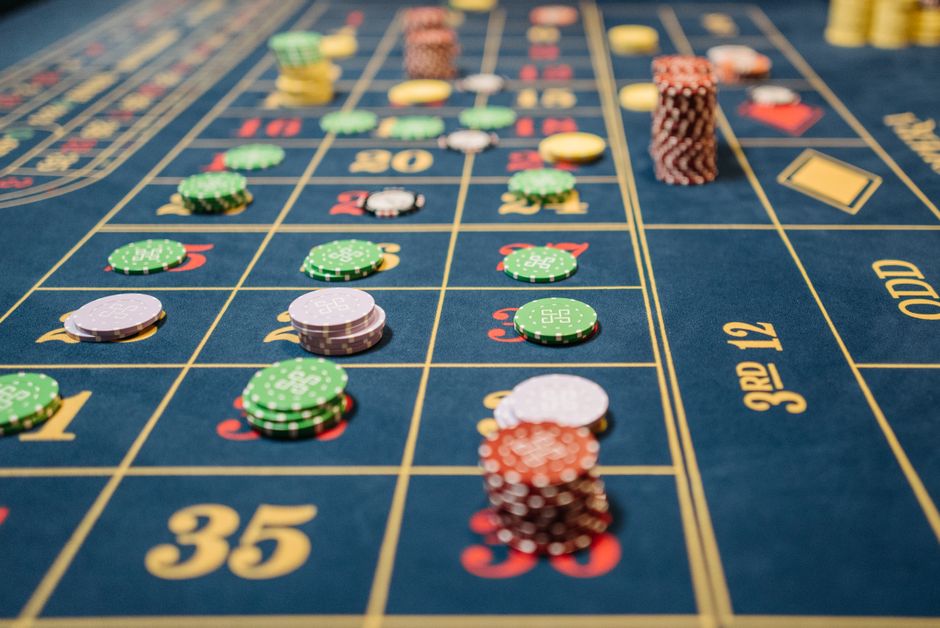
You sit down at a virtual blackjack table. The dealer’s upcard is a six. You’re holding a fourteen. Do you hit or stand? That single decision—repeated thousands of times across slots, sportsbooks, and poker rooms—separates the casual gambler from the strategic player. iGaming has exploded into a $100 billion industry, but most people still treat it like a lottery ticket. They chase jackpots with zero plan. Others, however, treat it like a skill game. This article isn’t about luck. It’s about the edge—the specific habits, numbers, and mindset that turn random spins into calculated moves.
Why the House Always Wins (And How to Shrink That Edge)
Every casino game has a built-in house advantage. That’s not a conspiracy; it’s math. In European roulette, the single zero gives the house a 2.7% edge. American roulette’s double zero pushes it to 5.26%. Blackjack, played with basic strategy, can drop the house edge to 0.5% or even lower. Slots are the wild card—their RTP (Return to Player) can range from 85% to 99%, but volatility determines whether you see that return in one session or one thousand. For a closer look, SHBET has helpful details.
The smartest iGaming players don’t fight the house edge. They choose games where the edge is smallest and their decisions actually matter. Here’s a quick comparison of popular options:
- Blackjack (basic strategy): 0.5% house edge. Requires memorization but offers near-even odds.
- Video poker (Jacks or Better): 0.46% edge with perfect play. Yes, you can actually play a slot-like game with a tiny edge.
- Baccarat (banker bet): 1.06% edge. No decisions, just bet the banker.
- Slots: 2% to 15% edge. The trade-off? Massive jackpots and zero skill required.
Notice something? Poker isn’t on that list. That’s because poker isn’t played against the house—you’re playing against other players. The house takes a rake (usually 5% of the pot), but your profit depends on skill. That’s why professional poker players exist. You’ll never meet a professional slot player who wins long-term. They might hit a life-changing jackpot, but that’s variance, not strategy.
Slot Selection: Volatility, RTP, and the Myth of Hot Machines
Walk into any online casino lobby and you’ll see thousands of slots. How do you pick? Most people click the flashiest one. Smart players check three things: RTP, volatility, and max win.
RTP is the long-term payback percentage. A 96% RTP means for every $100 wagered, the machine returns $96 over millions of spins. But here’s the catch—in a single session, RTP means nothing. Volatility matters more. High-volatility slots (like Book of Dead or Bonanza) pay rarely but can hit 10,000x your bet. Low-volatility slots (like Starburst) pay small amounts frequently, keeping your bankroll alive. Your choice depends on your goal: grinding a bonus or chasing a jackpot.
And those ‘hot’ or ‘cold’ machines? Pure superstition. Modern slots use random number generators (RNGs). Every spin is independent. A machine that hasn’t paid in an hour is no more likely to pay than one that just hit. The only exception is progressive jackpots, where the prize grows until someone wins—but even then, your odds per spin remain fixed. The trick is to treat slots as entertainment, not income. Set a loss limit, pick a game with 96%+ RTP, and enjoy the ride. For more on this, see SH BET.
Betting Like a Pro: Bankroll, Value, and Line Movement
Sports betting is where iGaming gets cerebral. You’re not playing against a RNG; you’re predicting outcomes against odds set by bookmakers. The goal isn’t to win every bet—it’s to find value. Value means the probability of an outcome is higher than the odds suggest. For example, if you calculate a team has a 50% chance to win, but the bookmaker offers +120 (implied probability 45.5%), that’s a value bet.
Professional bettors live by three rules:
- Bankroll management: Never bet more than 1-2% of your total bankroll on a single wager. This prevents a cold streak from wiping you out.
- Line shopping: Different bookmakers offer different odds. A half-point difference in NFL spreads can turn a loss into a push. Always compare lines.
- Track everything: Spreadsheets aren’t sexy, but they reveal your strengths. Are you profitable on underdogs? On player props? Data doesn’t lie.
Also, understand line movement. When a line moves from -3 to -4.5, sharp money is likely on the favorite. Public money moves lines too, but usually in the opposite direction. Following sharp action—the bets from professional syndicates—can give you an edge. But don’t blindly tail. Do your own research.
Poker: The Only Game Where You Can Win Long-Term
Poker is the great exception in iGaming. In slots, blackjack, or roulette, you’re fighting a mathematical wall. In poker, you’re competing against other humans. Bad players lose, good players win. It’s that simple.
But ‘good’ doesn’t mean ‘lucky.’ It means understanding position, pot odds, and player tendencies. For example, playing tight-aggressive from late position is profitable because you act last and can steal blinds. Calling a raise with 7-2 offsuit from early position is a leak—a long-term losing play. The best online poker players use tracking software to analyze their hands and opponents. They review sessions, spot patterns, and plug leaks.
If you’re new to poker, start with micro-stakes cash games ($0.01/$0.02 blinds). Play one table at a time. Focus on making +EV (positive expected value) decisions, not on winning pots. The money follows the decisions. And never play above your bankroll. A common rule: have at least 20 buy-ins for cash games and 50 buy-ins for tournaments.
The Psychology of iGaming: Tilt, Chasing, and Self-Control
You can know every strategy in the book and still lose—because iGaming is designed to trigger emotion. The flashing lights, the near-misses, the rush of a win. Casinos call it ‘gambler’s ruin’ for a reason. The biggest killer is tilt: playing emotionally after a loss, trying to win it back. That’s how a $50 session becomes a $500 disaster.
Smart players set hard rules before they log in:
- Time limit: 30 minutes, then a break.
- Loss limit: 20% of your bankroll, then stop.
- Win limit: If you double your buy-in, cash out half.
Also, use deposit limits and self-exclusion tools offered by regulated sites. They’re not for weak players—they’re for smart ones who know their triggers. The house edge is inevitable. Emotional decisions are optional.
The Bottom Line: Play Smart, Not Hard
iGaming isn’t a get-rich-quick scheme. It’s a form of entertainment with a cost—just like a movie ticket or a night out. The difference is that with knowledge, you can reduce that cost or even flip it into a profit in skill games like poker and sports betting. Choose low-edge games. Understand volatility. Manage your bankroll like a CFO. And never chase losses. The thrill of a jackpot is real, but the quiet satisfaction of a well-played session lasts longer. Whether you’re spinning slots or bluffing a river, play with your head, not your gut. That’s the real edge.